
Oral cancer is sometimes described as a “rare” cancer, but that label can be misleading. While it is less common than some other cancers, it is considered one of the more dangerous because it is often discovered at later stages when it becomes harder to treat.
It can affect the lips, tongue, cheeks, floor of the mouth, hard and soft palate, sinuses, and throat. Because early symptoms are often subtle or painless, many people do not realize anything is wrong until the condition has progressed.
The key takeaway is simple: awareness and early detection play a major role in outcomes.
Oral Cancer Can Develop in More Places Than You Think
One of the most surprising facts about oral cancer is how many areas it can affect. It is not limited to one specific part of the mouth.
It may appear on the tongue, the inner lining of the cheeks, the gums, the lips, or the roof and floor of the mouth. In some cases, it can also extend into the throat and surrounding tissues.
Because these areas are used constantly for speaking, chewing, and swallowing, changes can sometimes be mistaken for minor irritation or injury.
This is one reason regular dental checkups are so important. Dentists are trained to examine these tissues closely and look for early warning signs that may not be obvious to patients.
Risk Factors Are More Common Than People Realize
Many people associate oral cancer with smoking or heavy alcohol use, and while those are significant risk factors, they are not the only ones.
Other contributors can include prolonged sun exposure (especially for lip cancer), certain strains of HPV (human papillomavirus), a weakened immune system, and a family history of cancer.
It is also important to understand that oral cancer can still develop in people without obvious risk factors. That is why relying only on personal habits or assumptions is not enough to rule it out.
According to health education sources such as the Oral Cancer Foundation, awareness of risk factors combined with routine screenings is one of the most effective ways to improve early detection.
Early Symptoms Are Easy to Miss
Oral cancer often develops quietly. In its early stages, it may not cause pain, which makes it easier to overlook.
Some early warning signs can include:
- A sore in the mouth that does not heal
- Persistent red or white patches
- A lump or thickening in the cheek or neck
- Difficulty chewing, swallowing, or moving the tongue
- Numbness in the mouth or lips
Because these symptoms can resemble minor dental or soft tissue issues, they are sometimes ignored or attributed to something less serious.
However, any persistent change in the mouth that lasts more than two weeks should be evaluated by a dental or medical professional.
Early Detection Makes a Major Difference
Oral cancer outcomes are closely tied to how early it is diagnosed. When detected in the early stages, treatment is often more effective and less invasive.
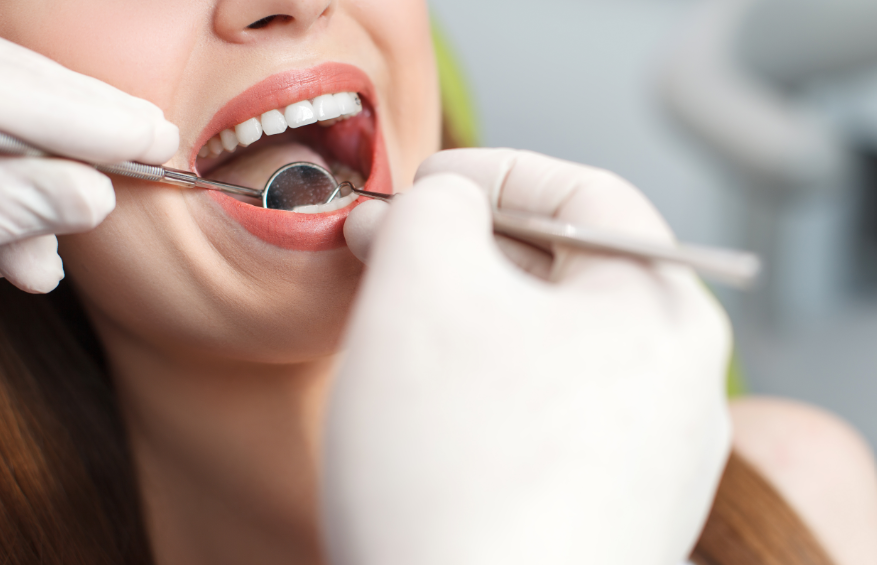
Routine dental exams play a major role in early detection. During a checkup, dentists typically perform oral cancer screenings by visually inspecting the mouth and feeling the jaw, neck, and soft tissues for abnormalities.
This quick screening can help identify suspicious areas before they become more serious.
Health organizations, including MedStar Health and the Oral Health Foundation, emphasize that regular screenings are one of the most effective tools for catching oral cancer early.
What You Can Do to Lower Risk
While not all cases of oral cancer are preventable, there are steps that can reduce risk.
Avoiding tobacco in all forms and limiting alcohol use are two of the most impactful choices. Protecting lips from excessive sun exposure and maintaining good oral hygiene can also help reduce risk factors.
Perhaps most importantly, keeping up with regular dental visits ensures that any unusual changes in the mouth are identified early.
Awareness, combined with routine care, is one of the strongest defenses against late detection.
Focusing on Early Detection
Oral cancer may not be the most common cancer, but its seriousness makes awareness essential. Recognizing the signs and understanding the risk factors can make a meaningful difference in early detection and outcomes.
A small change in awareness today can lead to earlier action tomorrow.
About the Practice
At Moulton Dentistry of Hoover, patients receive comprehensive preventive and restorative dental care focused on long-term oral health. Dr. Moulton and Dr. Gunn provide routine exams, preventive services, and oral cancer screenings designed to help detect concerns early and support overall wellness.
Call us at (205) 988-3360 or schedule your appointment online.