
If you had a severely damaged tooth a few centuries ago, the solution was often simple—but drastic: extraction. For much of dental history, removing a compromised tooth was considered the safest and most reliable option to prevent pain or infection. Fortunately, modern dentistry has come a long way since then.
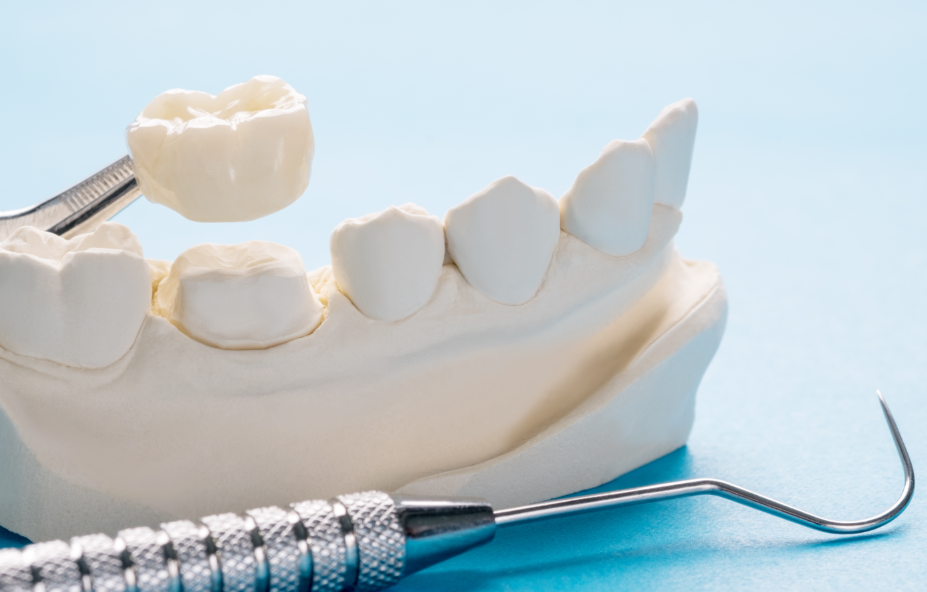
Today, dental crowns allow dentists to preserve natural teeth instead of removing them. These restorations strengthen weakened teeth, restore function, and help maintain a natural smile for years to come. Understanding how far crowns have evolved makes it even easier to appreciate their role in modern dental care.
Early Attempts at Tooth Restoration
The concept of restoring teeth dates back thousands of years. Some of the earliest evidence of dental crowns comes from ancient civilizations such as the Etruscans, who are believed to have created gold dental restorations as early as 700 BCE. These early crowns were often crafted from precious metals and designed more for appearance and basic function than long-term durability.
By around 200 AD, more documented dental restoration techniques began to emerge in ancient Roman and Greek societies. While crude by today’s standards, these early efforts laid the foundation for what would eventually become restorative dentistry.
Even then, the goal was already beginning to shift—from simply removing pain to preserving what remained of the natural tooth whenever possible.
The Shift Toward Preservation in Dentistry
For many centuries, tooth extraction remained the most common solution for dental disease. Without modern tools or materials, preserving a damaged tooth was difficult and often unreliable.
However, as dental science advanced, so did the understanding that keeping natural teeth was beneficial for long-term oral health. This shift led to the development of restorative treatments designed to rebuild and reinforce teeth instead of removing them.
Dental crowns became a key innovation in this transition, offering a way to protect compromised teeth while maintaining their structure and function.
Modern Dental Crowns and Materials
Today’s dental crowns bear little resemblance to their ancient predecessors. Modern crowns are carefully designed to match the shape, color, and strength of natural teeth. They can be made from a variety of materials, including porcelain, ceramic, metal alloys, or a combination of materials depending on the patient’s needs.
Advancements in digital imaging and dental technology now allow for highly precise crown fittings. This means better comfort, improved durability, and a more natural appearance than ever before.
Instead of serving only as a functional repair, crowns now play a major role in both restorative and cosmetic dentistry.
Why Preservation Matters Today
The biggest shift in modern dentistry is the focus on preservation. Saving a natural tooth whenever possible helps maintain jaw structure, bite alignment, and overall oral health. Dental crowns make this possible by reinforcing teeth that might otherwise require extraction.
This approach not only improves function but also helps patients avoid more complex procedures like implants or bridges later on.
In many ways, crowns represent the best of both worlds: they restore strength while allowing patients to keep their natural teeth.
A Lasting Advancement in Dental Care
From ancient gold restorations to today’s precision-crafted ceramic crowns, the evolution of dental crowns reflects a major transformation in dentistry itself. What once required extraction can now often be treated, preserved, and protected for years to come.
It’s a reminder of how far dental science has come—and how modern treatments continue to prioritize long-term health and natural smiles.
About the Practice
At Moulton Dentistry, patients receive comprehensive restorative and preventive dental care focused on preserving natural teeth and supporting long-term oral health. Dr. Gunn and Dr. Moulton provide custom dental crowns designed to restore strength, function, and aesthetics using modern materials and advanced techniques. With a patient-centered approach, we aim to ensure comfortable treatment experiences and durable, natural-looking results.
Call us at (205) 988-3360 or schedule your appointment online.